
Case Studies
Real projects. Practical solutions. Meaningful outcomes.
Explore how Cirela Digital helps organisations improve learning platforms, digital systems, websites, business infrastructure and security. Each case study focuses on the challenge, the technical approach and the outcome delivered.

Clear challenges. Thoughtful solutions.
Every project is shaped around the organisation, its users, technical environment and long-term objectives.
Case Study 01 · Competency Transformation
Transforming a complex operational model into a secure digital competency platform
A specialist engineering organisation required more than a standard learning platform. Its existing competency processes, documentation and assessment model had to be analysed, interpreted and redesigned as a scalable digital system, supported by bespoke development, advanced reporting, hardened infrastructure, privacy controls and formal governance.
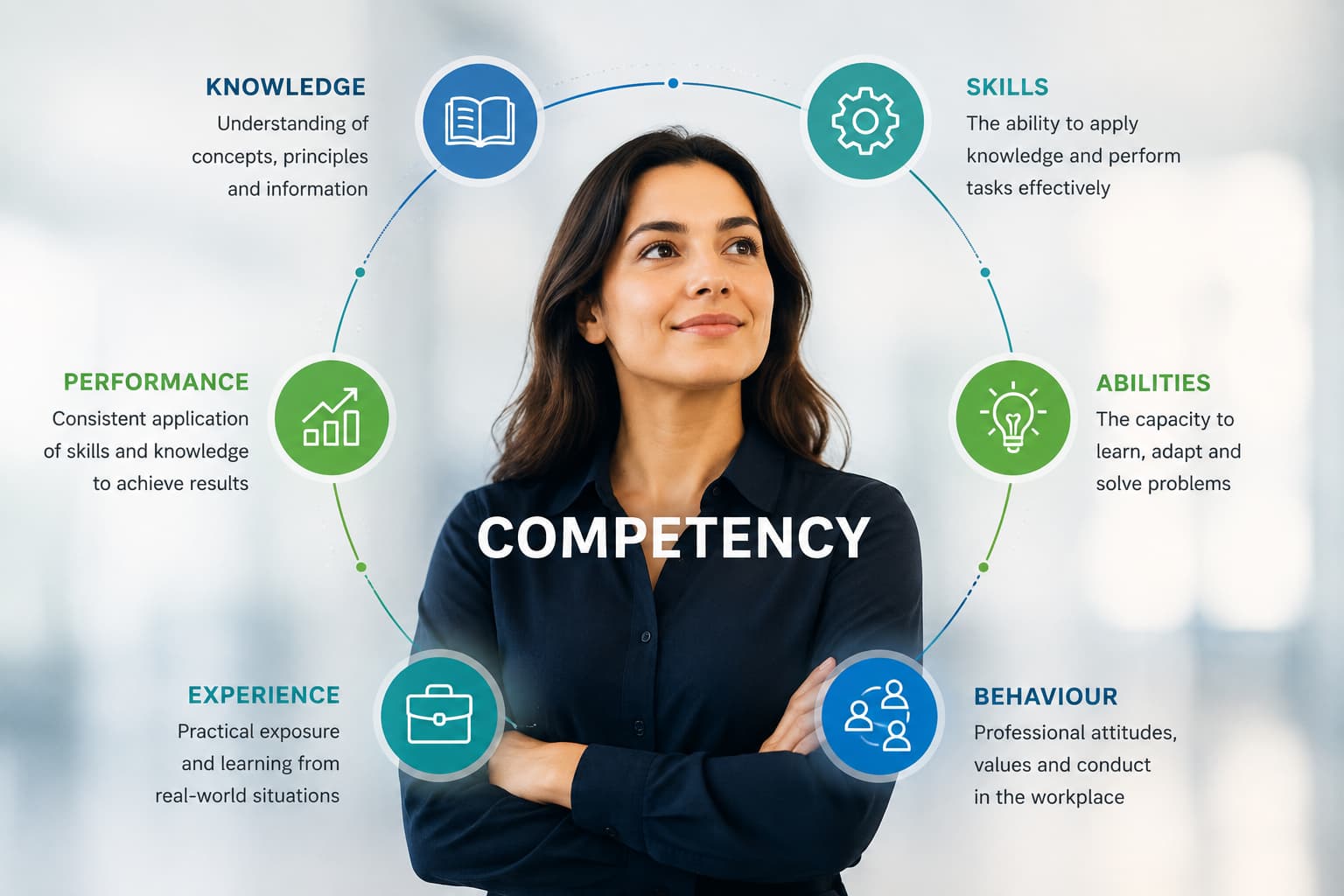
Competency Management, Infrastructure and Governance
This engagement involved the technical interpretation of a complex competency framework into a secure, production-ready digital platform. Services included discovery and system analysis, solution architecture, Moodle configuration, bespoke plugin development, advanced dashboards and downloadable reporting, Linux infrastructure engineering, cybersecurity hardening, privacy controls, consent management, governance documentation and operational support.
Project Delivery
From operational analysis to a secure production system
The engagement covered the full technical lifecycle, from interpreting the existing competency model through to development, reporting, infrastructure, security, governance and operational readiness.
Discovery and Requirements Analysis
Existing competency documentation, role structures, assessment requirements and operational processes were examined to understand how the previous system worked, identify ambiguity and determine how the model could be represented accurately in a digital environment.
Competency Solution Architecture
The operational model was translated into a structured competency hierarchy with controlled numbering conventions, role-based learning plans, competency scales, evidence requirements and assessment workflows designed for sustainable use within Moodle.
Advanced Dashboards and Custom Reporting
Bespoke development extended Moodle beyond its standard competency reporting. Custom dashboards, learner and assessor progress views, drill-down reporting and downloadable reports gave managers clearer oversight of active plans, competency status and workforce progression.
Cybersecurity and Platform Hardening
A dedicated production environment was configured and hardened using layered security controls covering encrypted traffic, restricted access, firewall protection, automated attack blocking, account security, secure configuration, update management, backups, monitoring and service resilience.
Governance, Privacy and Consent
A supporting policy pack was developed covering platform use, user responsibilities, privacy, data handling and governance. Consent-management controls and user-facing privacy information were implemented to support transparent and consistent processing of personal data.
Operational Readiness and Support
Scheduled tasks, caching, email delivery, backup arrangements, monitoring and maintenance procedures were configured to support dependable day-to-day operation and provide a controlled foundation for updates, recovery, support and future expansion.
The Outcome
The organisation gained a production-ready competency management platform built around its operational model rather than a generic LMS structure. Complex competency information was converted into controlled digital workflows, supported by custom dashboards, drill-down progress views, downloadable management reports, hardened infrastructure, privacy and consent controls, formal governance policies and a scalable technical foundation for future workforce development.
Case Study 02 · Digital Transformation
Creating a secure and professionally managed digital environment
A growing professional services organisation needed a complete digital foundation covering its website, Microsoft 365 environment, business email, cybersecurity, search visibility and the governance documentation required to manage its systems consistently.
Website and SEO
A responsive WordPress website was developed with clear service information, contact pathways and search-engine foundations including page structure, metadata, indexing controls, performance improvements and content optimisation.
Microsoft 365
Microsoft 365 and Exchange Online were configured with a professional business domain, individual accounts, shared mailboxes, permissions and supporting DNS records for reliable business communication.
Cybersecurity and Hardening
The website and supporting environment were reviewed and hardened, including SSL, access controls, security headers, updates, backup arrangements, account protection and reduction of unnecessary exposure.
Governance and Documentation
Practical governance documentation and policies were created to support consistent use of the organisation's systems, clarify responsibilities and provide a stronger foundation for security, data handling and ongoing digital management.

Website, Microsoft 365, Cybersecurity and Governance
The project brought together website development, SEO, Microsoft 365, business email, cybersecurity improvements, domain configuration and governance documentation to create a secure and professionally managed digital environment.
The Outcome
The organisation gained a professional website, improved search visibility, reliable business email, a structured Microsoft 365 environment, stronger cybersecurity controls and practical governance documentation. Its digital services are now more secure, consistent and easier to manage as the business grows.
Case Study 03 · Technical Assurance
Assessing the health, security and resilience of business-critical digital platforms
A structured technical health review was undertaken across existing WordPress websites and a Moodle learning platform. The assessment examined platform condition, hosting infrastructure, cybersecurity, performance, privacy controls, operational processes and long-term maintainability.
Digital Platform Health and Security Review
The engagement combined technical inspection, configuration review, security analysis and operational assessment. Findings were consolidated into a prioritised report covering immediate risks, recommended improvements and longer-term actions across WordPress, Moodle and the supporting hosting environment.
A platform-neutral technical assessment
The review considered each system as part of the wider digital environment rather than treating the website or LMS in isolation.
Versions, plugins, themes, extensions and configuration.
Server software, databases, PHP, storage and scheduled tasks.
Access controls, encryption, exposure and protective controls.
Backups, monitoring, recovery and maintenance arrangements.
Consent, policies, data handling and administrative controls.
Prioritised remediation and improvement recommendations.
Review Areas
A complete view of technical health and risk
The assessment covered visible website issues as well as the less obvious infrastructure, security, configuration and governance factors that affect reliability and long-term platform health.
WordPress Health Review
WordPress core, plugins, themes, forms, administrator access, updates, broken functionality, mobile presentation, indexing controls and ongoing maintenance arrangements were reviewed.
Moodle Platform Review
Moodle core and plugin versions, cron, scheduled tasks, authentication, permissions, caching, email delivery, backups, privacy settings and general platform configuration were assessed.
Hosting and Infrastructure
The supporting environment was reviewed for server versions, PHP and database configuration, SSL, storage, permissions, caching, background services, capacity and operational resilience.
Cybersecurity Configuration
Access controls, administrator accounts, SSL and HTTPS, protective headers, update exposure, firewall controls, attack prevention, file permissions and unnecessary public information were examined.
Backups and Recovery
Backup scope, frequency, retention and storage were considered alongside recovery procedures, service monitoring, maintenance practices and the ability to restore the platform following an incident.
Governance and Compliance
Privacy notices, cookie and consent controls, user policies, administrative responsibilities, technical documentation and data-handling practices were reviewed for consistency and completeness.
The Outcome
The review produced a structured picture of the health and risk position across the organisation's WordPress websites, Moodle platform and supporting infrastructure. Findings were grouped by urgency and business impact, with practical recommendations for security improvements, maintenance, performance, backups, governance and future technical planning.
Case Study 04 · Digital Learning Content
Turning specialist engineering knowledge into interactive SCORM learning
Specialist technical knowledge was transformed into structured, engaging online learning for an engineering workforce. Working closely with the organisation and experienced subject-matter experts, course material was interpreted, designed, developed and delivered as trackable SCORM packages for use within the learning platform.
From expert knowledge to digital learning
Technical accuracy and learning design were managed through a collaborative development and review process.
Source analysis
Existing technical material, procedures and learning requirements were reviewed and organised.
Expert collaboration
Subject-matter experts helped validate terminology, processes and technical accuracy.
Learning design
Content was structured into clear topics, interactions, activities and assessments.
SCORM production
Courses were developed, tested and published for reliable LMS delivery and completion tracking.
Technical Course Design and SCORM Development
The engagement combined instructional design, technical content interpretation, stakeholder collaboration, multimedia development and LMS integration. Complex engineering material was converted into accessible online courses while retaining the accuracy, terminology and practical context required by the organisation.
Course Development
Technical accuracy combined with effective digital learning design
The work covered the complete content-development lifecycle, from interpreting source material and collaborating with technical experts through to interactive development, assessment, testing and LMS delivery.
Content Analysis and Scoping
Technical documentation, existing training material and intended learning outcomes were reviewed to establish the course scope, identify knowledge requirements and create a logical structure for online delivery.
Subject-Matter Expert Collaboration
Course content was developed in close consultation with experienced technical specialists and organisational stakeholders. Review cycles were used to validate terminology, engineering processes, safety information and practical context.
Instructional and Visual Design
Dense source material was restructured into manageable learning sections supported by diagrams, visual explanations, interactions, practical examples and clear navigation designed for adult technical learners.
Knowledge Checks and Assessment
Questions, activities and assessment points were developed to reinforce key concepts, provide feedback and confirm learner understanding of specialist processes and safety-critical information.
Articulate Storyline Development
Interactive course packages were built using Articulate Storyline, combining structured content, multimedia, interactions, assessments and completion logic within a consistent and accessible learner experience.
SCORM Testing and LMS Delivery
Each package was published and tested for LMS compatibility, navigation, scoring, completion status, bookmarking and learner tracking before being prepared for deployment within the organisation's learning platform.
Specialist engineering course areas
The programme included online learning covering several technically distinct areas of engineering operations.
Remotely Operated Vehicle Training
Structured learning material relating to ROV operations, technical systems, procedures and workplace application.
High-Voltage Technical Training
Digital learning covering specialist high-voltage concepts, operational awareness and safety-related technical information.
Fibre-Optic Systems
Online content explaining fibre-optic principles, components, working practices and their application within technical environments.
The Outcome
The organisation received a suite of professionally structured, technically reviewed and LMS-ready SCORM courses. Specialist knowledge was converted into consistent digital learning that could be delivered at scale, tracked through the learning platform and updated through a controlled review process as technical requirements evolved.
